
Picking between a helicopter flight and a proper trek is usually the first real headache when you start planning a trip to the Everest region. One takes a morning. The other takes a couple of weeks. Both can be brilliant, but they ask very different things from you.
The Everest Base Camp helicopter tour suits people who are short on time or nervous about long days on foot. Everest Base Camp Trekking, on the other hand, rewards anyone who wants to actually live in the mountains for a while. Weather, thin air, fitness, and how much slack you have in your schedule will shape the experience far more than any brochure lets on. So here’s a practical look at how the two compare, and how to prepare for Himalayan conditions without nasty surprises.
Understanding the Helicopter Tour and Trekking Experience
What to Expect from an Everest Base Camp Helicopter Tour
The flight starts in Kathmandu and heads north-east toward Khumbu. You cross green foothills first, then the terrain gets steeper and whiter, and eventually the big peaks start stacking up in front of you. For a lot of people that sudden shift is the whole point.
Where you actually touch down is another matter. Some flights land at a high viewpoint such as Kala Patthar, others settle for a lower stop or simply fly the route. It all depends on weather, wind, how the aircraft is performing at that altitude, and what the pilot decides on the day. A landing at Kala Patthar or any other high spot is never a given, so don’t build your expectations around it.
What Makes Everest Base Camp Trekking Different?
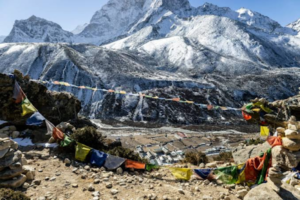
Trekking is a slow burn. You walk for days through Sherpa villages, over suspension bridges, past prayer flags and stone walls, with the mountains creeping closer by the hour. Each night you stop in a lodge, eat dal bhat or something similar, and do it again the next morning.
That pace is not just romantic. It is how your body copes with altitude. Short daily distances, planned acclimatization days, and regular overnight stops give you time to adjust. From the air you see the region. On the trail you spend time in it, and that’s a very different thing.
Everest Region Weather: How Conditions Affect Your Plans
Spring and Autumn: Popular Seasons for Mountain Travel
Spring and autumn tend to give the best mix of visibility and manageable trekking conditions, which is why most people aim for them. Skies are often clearer, trails are drier, and the views make the effort feel worthwhile.
Still, “often” isn’t “always.” Temperatures swing a lot between morning and night, and clouds can build quickly as the day warms up. A perfectly clear sunrise says very little about what the sky will look like at ten o’clock. Flights can be delayed even in the best months, so a bright morning in Kathmandu doesn’t settle anything.
Monsoon and Winter Weather Considerations
The monsoon brings rain, thick cloud, and slippery trails, and views can disappear for days. Winter is cold, sometimes properly cold, with snow that can change how the trail looks and feels. Both seasons can affect helicopter departures, mountain visibility, and how comfortable you are on the walk.
Seasonal patterns are a starting point, not a promise. Check current forecasts closer to your dates and ask your operator for fresh updates rather than leaning only on what the season is supposed to look like.
What Happens When a Helicopter Flight Is Delayed?
Delays, postponements, and cancellations are part of flying in the mountains. Sometimes you wait a few hours. Sometimes the flight moves to another day, or the plan changes to something shorter or lower.
Keep your schedule loose and leave extra time before any international flight home. Before you pay anything, find out how the operator handles rescheduling, refunds, and cancellations. It’s a dull conversation to have, but far better than finding out at the airport.
Altitude, Acclimatization and Safety in the Everest Region
How High Is Everest Base Camp?
Everest Base Camp on the Nepal side sits at roughly 5,364 metres above sea level. Up there the air holds much less oxygen than you’re used to, so walking feels harder, sleeping gets patchy, and even simple tasks can leave you out of breath.
Seeing that terrain from a helicopter is not the same as spending days at altitude on foot. A flight exposes you for a short window, while trekking keeps your body working in thin air for a long time. Both deserve respect, just in different ways.
Altitude Sickness During Everest Base Camp Trekking
The usual warning signs are headache, nausea, dizziness, and fatigue that feels out of proportion to what you’ve done. Mild symptoms are common, but they should never be brushed off.
The best defence is going up gradually, using acclimatization days properly, drinking plenty of water, and not pushing harder than your body wants. If symptoms get serious, you need prompt medical assessment, and descent when it’s advised. Not tomorrow. Now.
High-Altitude Helicopter Landings and Passenger Safety
Whether a helicopter can land depends on several things at once: weather, aircraft performance, altitude, the condition of the landing site, and operational decisions made on the day. None of them are under your control.
Passenger weight limits and aircraft capacity also matter, and at some high locations passengers may be moved in smaller groups by shuttle. A short visit doesn’t cancel out altitude risk either. You can feel unwell after only a few minutes up high, so treat it seriously.
Planning Your Itinerary, Flights and Accommodation
Planning the Helicopter Tour Schedule
Helicopter tours usually leave early in the morning, and reporting times need confirming with your operator. Ask about airport transfers, check-in arrangements, and how long you might wait if the weather isn’t cooperating.
Flight plans can change on the day. Get the real itinerary, landing permissions, passenger limits, and inclusions in writing so there’s no confusion later.
Planning a Multi-Day Everest Base Camp Trek
A trek needs more thought. You’ll want to map out daily walking stages, overnight stops, acclimatization days, meals, and whether you’re hiring a guide or porter. Lodges in mountain villages can fill up, so don’t assume a bed will always be waiting.
Keep daily distances realistic, and build in spare days for illness, tricky trail conditions, or transport disruptions. Those buffer days are often the difference between a calm trip and a stressful one.
Combining Trekking with a Helicopter Return
Some travelers walk up and fly back, which can shorten the journey if your itinerary and operating conditions allow it. It’s a popular idea, especially for people with limited time.
But departure locations, availability, passenger capacity, and weather decide whether it actually happens. Confirm the return plan and the backup arrangements before you leave home, not once your knees are already tired.
Costs, Inclusions and Booking Conditions to Check
What Affects the Total Cost?
A shared helicopter flight, a private charter, and a trekking itinerary are priced in completely different ways. Trekking adds permits, accommodation, meals, guides, porters, domestic flights, and transfers on top.
Seasonal demand, the number of passengers, aircraft arrangements, and itinerary changes can all move the final price, so compare like with like.
Questions to Ask Before Confirming
Ask about the exact route, planned stops, landing conditions, passenger weight allowance, and included services. Confirm cancellation terms, weather delays, refunds, and any extra charges.
If you’d like help clarifying itinerary details and what’s covered, Adventure Great Himalaya is one travel operator you can contact directly with these questions.
Physical Preparation, Packing and Essential Travel Documents
Preparing for Trekking in the Everest Region
Build up cardiovascular fitness and get used to walking for hours, ideally in the boots you’ll wear. Practise with layers, and plan for cold and strong sun.
General fitness alone isn’t enough, because several days in a row of walking is a different challenge. Talk to a qualified healthcare professional about altitude-related precautions before you travel.
Packing for a Helicopter Tour
Bring warm clothing, sunglasses, sun protection, any essential medication, and a camera or phone. Follow your operator’s instructions on baggage weight and what’s allowed on board.
Packing light makes airport handling and helicopter transfers much easier.
Permits, Insurance and Travel Documents
Check current trekking permit requirements and make sure your identification documents are in order. Rules change, so don’t rely on an old blog post.
Choose travel insurance that clearly covers your planned activities, the altitude, and emergency helicopter evacuation if it’s needed. Read the exclusions and coverage limits before you go.
Common Planning Mistakes and How to Avoid Them
Most problems come from the same handful of slips:
- Booking a helicopter tour without leaving room for weather delays.
- Assuming a high-altitude landing is guaranteed.
- Scheduling an international departure right after a weather-dependent tour.
- Underestimating altitude sickness while trekking.
- Comparing prices without checking inclusions and cancellation conditions.
- Ignoring passenger weight restrictions or insurance exclusions.
Final Planning Advice for Your Everest Adventure
Match the experience to your fitness, available time, budget, and comfort with altitude. Keep your schedule flexible, your expectations realistic, your insurance suitable, and your operator’s arrangements verified. And remember that mountain weather and safety always come before a fixed itinerary.
Frequently Asked Questions
What Is the Best Season for an Everest Base Camp Helicopter Tour?
Spring and autumn are generally the most favourable. Even then, weather can change at any time, so keep some flexibility.
Is Everest Base Camp Trekking More Physically Demanding Than a Helicopter Tour?
Yes, by a wide margin. Trekking means sustained walking and acclimatization over many days, while an aerial excursion is much shorter.
Can a Helicopter Land at Everest Base Camp?
Landing arrangements vary. An overflight doesn’t guarantee a landing, so confirm what your operator is actually offering.
How Many Days Should I Allow for Weather Delays?
A flexible buffer is wise. The exact amount depends on your itinerary and onward travel plans, so ask your operator and plan around your own deadlines.
Is Altitude Sickness Possible During a Helicopter Tour?
Yes. Rapid exposure to high altitude can still cause symptoms, even on a short visit.